
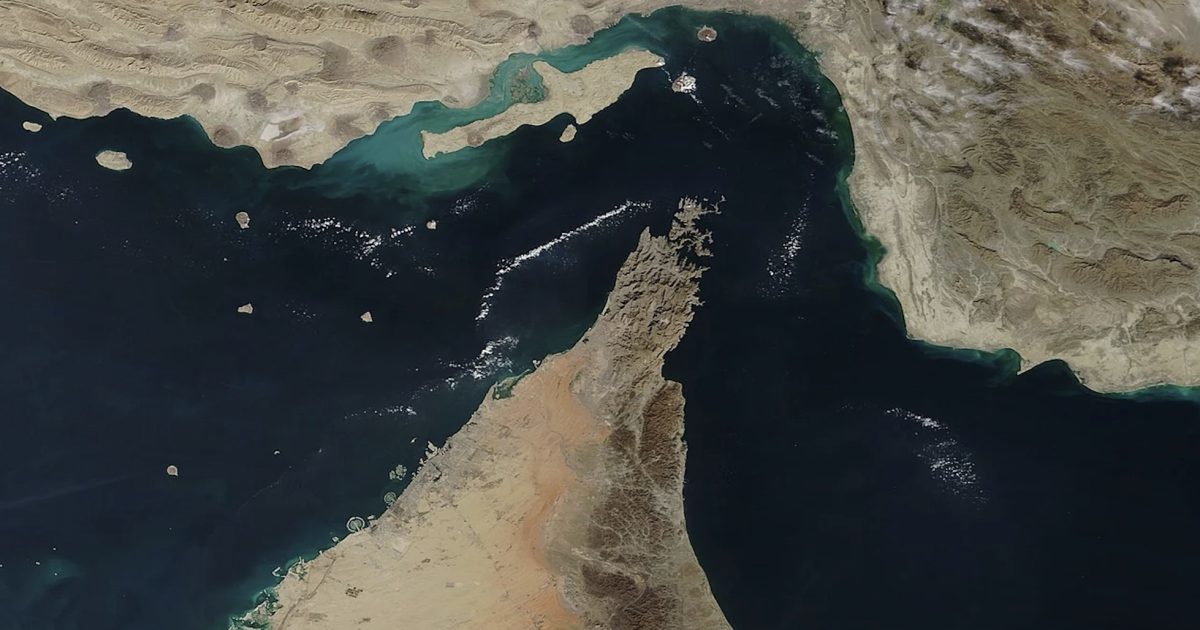

Iran Tries To Choke The Strait
U.S. forces launched strikes against Iranian targets Saturday after the Islamic Revolutionary Guard Corps attacked a commercial ship in the Strait of Hormuz, according to U.S. Central Command and reporting from Barak Ravid. Iran also claimed the Strait would be closed “until further notice” and until the end of American actions in the area. That is not some tiny back road with a traffic cone in front of it. The Strait of Hormuz is one of the world’s most important shipping lanes, and when Tehran starts shooting at vessels there, it is not just making noise for state TV. It is threatening trade, energy markets, civilian mariners, and every nation that depends on open seas.
U.S. military is conducting strikes against Iranian targets in the Strait of Hormuz area in response to IRGC attack on commercial ship, U.S. official says https://t.co/qoA27nbvXQ
— Barak Ravid (@BarakRavid) July 11, 2026
A Commercial Ship Takes The Hit
CENTCOM said the attack targeted the M/V GFS Galaxy, a Cyprus-flagged container ship that was moving through the Strait. The command reported that a civilian crew member is missing and that the vessel could not continue because of an onboard fire and major engine room damage. That detail matters. This was not a political talking point or some distant diplomatic chess move. A civilian ship was damaged, a crewman is missing, and Iran’s forces once again chose to play pirate in one of the most sensitive waterways on earth. For all the usual lectures about “restraint,” there comes a point where restraint starts looking like an engraved invitation for the next attack.
🚨בכיר אמריקני: בין המטרות המותקפות – מכ"מים למעקב אווירי, מתקנים לאחסון טילים וכטב"מים, אתרי שיגור טילים וכטב"מים, מכ"מים למעקב ימי, משגרי טילי קרקע-אוויר
— Barak Ravid (@BarakRavid) July 11, 2026
CENTCOM Says The U.S. Hit Back
According to CENTCOM, U.S. forces began the third round of strikes this week at 7:15 p.m. ET in response to the IRGC attack. A senior U.S. official cited in the reports said the targets included air surveillance radars, missile and drone storage facilities, missile and drone launch sites, maritime surveillance radars, and surface-to-air missile launchers. CENTCOM said Iran had been given another chance to follow the Memorandum of Understanding after earlier attacks on commercial vessels, but failed again. In plain English, Tehran was warned, Tehran ignored it, and now Tehran is learning that actions can still have consequences. Imagine that. Somewhere, a foreign policy professor just fainted into his herbal tea.
At 7:15 p.m. ET today, U.S. Central Command forces began launching the third round of strikes this week against Iran after Islamic Revolutionary Guard Corps forces blatantly attacked M/V GFS Galaxy, a Cyprus-flagged container ship transiting the Strait of Hormuz. A civilian crew…
— U.S. Central Command (@CENTCOM) July 11, 2026
Hegseth Sends A Blunt Message
Pete Hegseth responded on X with a short message: “Iran made a poor choice. Now they pay.” That pretty much sums up the mood. President Trump had warned Friday that the United States had “1,000 Missiles Locked and Loaded” aimed at Iran, with thousands more ready to follow, after saying the ceasefire was over. He also said Iran asked to keep negotiations going and that the U.S. agreed to talks, but not to pretending the ceasefire still existed while ships were being targeted. Talking is fine when both sides act in good faith. Shooting missiles at commercial vessels while demanding more talks is not diplomacy. It is a shakedown with a press release.
Iran made a poor choice. Now they pay. https://t.co/8m4fEfgrXv
— Pete Hegseth (@PeteHegseth) July 11, 2026
WE’D LOVE TO HEAR YOUR THOUGHTS! PLEASE COMMENT BELOW.
JIMMY
Find more articles like this at steadfastandloyal.com.
Leave a Comment