

What the Court Decided
The Supreme Court ruled this week that President Donald Trump exceeded his authority under the International Emergency Economic Powers Act when he used it to impose certain tariffs. The decision means that the specific tariffs tied to that law were blocked, and the court split along familiar lines. Three Republican appointees dissented while a majority led by Chief Justice John Roberts joined with the Democratic appointees to limit the executive action. The ruling changes the legal ground for those particular tariffs, but it does not remove the president from the policy fight over trade.
Trump’s Swift Reaction
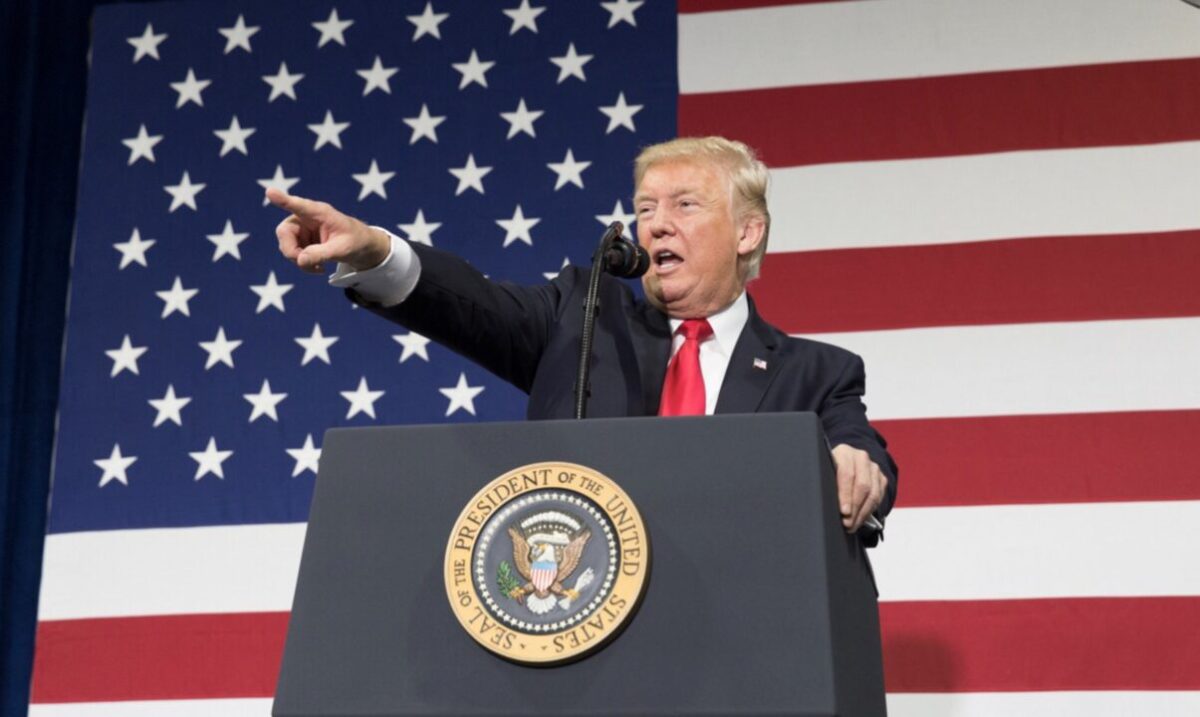
President Donald Trump wasted no time voicing his displeasure. He told reporters the ruling actually confirms his authority in a different way and then took to Truth Social to criticize the justices involved. He singled out Neil Gorsuch and Amy Coney Barrett, both of whom he appointed, saying he stood by his choices but noting they sided with the majority in this case. His tone mixed sharp political critique with a promise to pursue other paths to protect American industries.
New Tariffs Are Coming
After the decision the White House moved quickly. The president signed an executive order invoking Section 122 of the Trade Act of 1974 to impose a 10 percent tariff on imports from all countries for 150 days. That statute gives the president temporary tariff authority with fewer limits than the statute the court struck down. The administration says it will use every legal tool available to keep jobs and industries here in America and to stop what it calls unfair trade practices.
Politics and the Court
This ruling shines a light on the political tensions around the Supreme Court and trade policy. President Donald Trump accused the majority of being swayed by forces outside the country and by a political movement he said is smaller than people think. The episode will sharpen debates about how conservative appointees vote in high profile cases and how much leeway a president has when acting on national economic security grounds.
What to Watch Next
Expect legal and political pushback. The administration will likely face court challenges over the new tariffs and other routes to raise duties on foreign goods. Congress may get involved too, since Section 122 is temporary and lawmakers can craft longer term solutions. For now the president has signaled he is not backing down and will keep using the tools he believes protect American workers and businesses.
WE’D LOVE TO HEAR YOUR THOUGHTS! PLEASE COMMENT BELOW.
JIMMY
Find more articles like this at steadfastandloyal.com.
Leave a Comment