
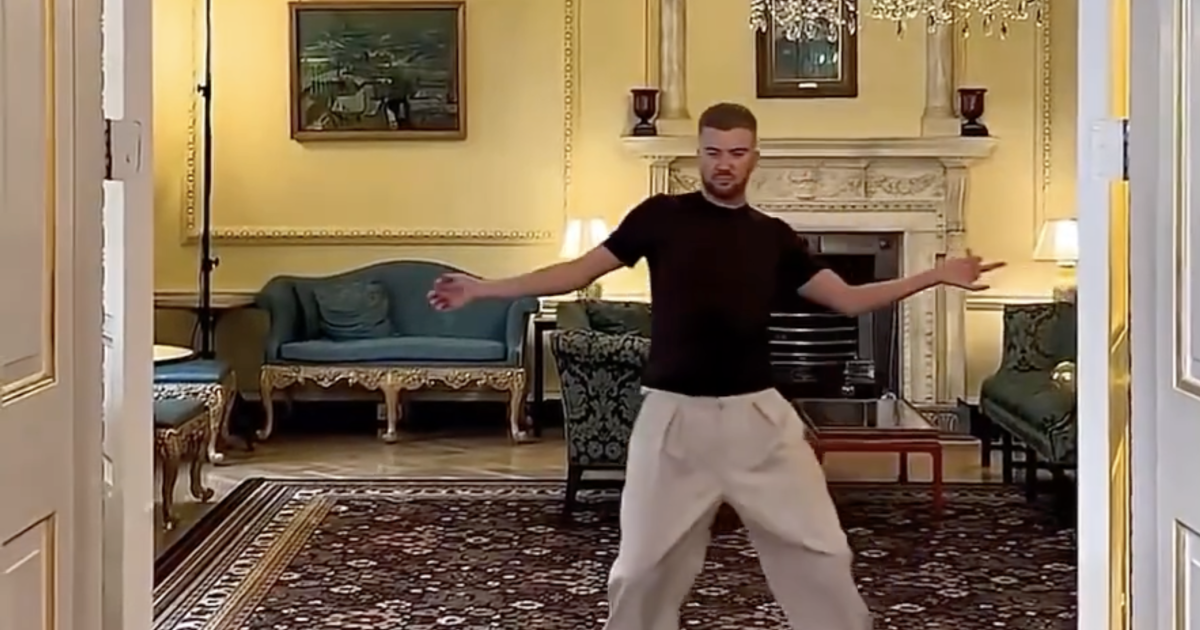

Andy Burnham’s Downing Street dance has turned a social-media video into a fresh political fight in Britain. The prime minister is shown recreating Hugh Grant’s scene from Love Actually, moving around the official residence to “Jump (For My Love).” The playful presentation appears aimed at making government feel more relatable. Critics see a leader using the symbolism of No. 10 for entertainment while people across Britain face serious concerns. That gap between the performance and the country’s problems made the clip politically combustible.
Burnham took over from Keir Starmer in July after Starmer resigned amid pressure from Labour MPs. The political case against the video points to the migrant crisis, soaring energy costs and rising unemployment. It also cites cumulative detected small-boat arrivals since 2018 as exceeding 200,000, with the figure given as 205,000, and points to taxpayer costs of £4 billion annually in recent years. Those figures explain why some viewers saw the video as badly timed. They do not, by themselves, prove every criticism of the dance is correct.
The politics behind Andy Burnham’s Downing Street dance
The video’s political meaning comes from its setting as much as from the dancing. Downing Street is not a campaign stage or a television set, even if Love Actually turned it into one for a movie. Burnham’s recreation borrows that fictional image, with the real prime minister acting out a scene made famous by Hugh Grant. That may look harmless to people who want a less stiff political culture. It may also look careless to people who expect the office to project seriousness during disputes over borders, bills and jobs.
J Stewart’s social-media post took the harsher view, calling the scene “a circus” and accusing Downing Street of offering “soft, pointless, cringe interviews” to TikTok creators. The post complained that Burnham talks about doing politics differently and being prime minister for the whole country, while critics allegedly do not receive the same access. It named Andrew Neil, Triggernometry and other right-wing voices as examples of people who would push back. That is an accusation about media access, not a proven finding about every interview. But it captures the deeper complaint: friendly interviews are not the same as tough questions.
Read J Stewart’s full social-media post here.
Kemi Badenoch challenges the Downing Street dance
Kemi Badenoch, the Conservative Party leader and leader of the opposition, joined the criticism. She said, “When I was a new MP, we had to hand in our phones as we stepped into 10 Downing St, so it’s jarring to see a Labour PM turn it into a bit of a joke.” Her point is not simply that the dance was awkward. She is arguing that the rules and symbolism surrounding No. 10 once communicated the weight of the office, while Burnham’s video reduced it to social-media content. That is a political judgment, but it goes directly to the choice of location.
Badenoch then drew a line between fiction and reality. “Hugh Grant could dance through No 10 in Love Actually because he was pretending to be Prime Minister,” she wrote. “Andy Burnham actually IS the Prime Minister.” The contrast is simple but effective: a movie can turn leadership into a charming scene because the consequences are imaginary, while a real government cannot escape the consequences of its choices. The criticism lands hardest for people who believe a prime minister should use public attention to explain results, answer critics and address problems rather than stage another agreeable clip.
When I was a new MP, we had to hand in our phones as we stepped into 10 Downing St, so it’s jarring to see a Labour PM turn it into a bit of a joke.
Hugh Grant could dance through No 10 in Love Actually because he was pretending to be Prime Minister. Andy Burnham actually IS… https://t.co/iaPscshQ9v
— Kemi Badenoch (@KemiBadenoch) November 23, 2026
She also placed the video in a wider context, saying, “At a time when Trump, Xi and Putin are projecting power on the world stage, and people across Britain are anxious about the future, this looks extremely unserious.” Her final point was blunt: “Being relatable doesn’t mean treating the public as though they are children who need entertaining.” The criticism does not establish that Burnham ignored any particular policy problem, and the public remarks do not explain what decisions led to the video. That helps explain why a small piece of online content can become a test of judgment, priorities and respect for the office. The Downing Street dance may leave critics asking whether the government is trying to look popular rather than accountable.
WE’D LOVE TO HEAR YOUR THOUGHTS! PLEASE COMMENT BELOW.
Find more articles like this at redrightupdates.com.
Leave a Comment