
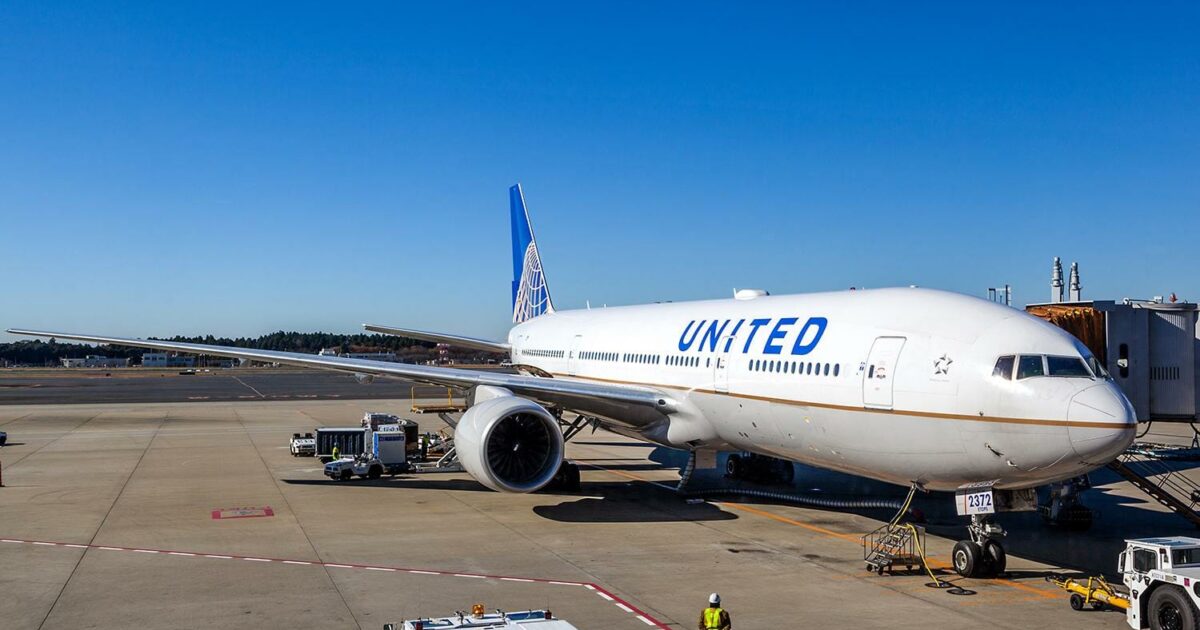

United Airlines’ system outage delayed departures Monday and prompted at least one traveler to report being stuck on the tarmac. The traveler attributed the delay to a nationwide IT issue, saying the system could not connect to the weight system. United later described the disruption as a technology issue affecting departing flights. The airline said flights already in progress and United Express flights were not affected. United eventually announced that it had resolved the issue, though some departures were delayed.
One traveler described the experience on X: “Currently stuck on tarmac from nationwide @unite IT issue as they can’t clear planes for take off as can’t connect to the weight system.” That account is a passenger’s description, not an independent technical finding, but it shows why a departure-system problem can feel immediate inside an aircraft. United’s first reply acknowledged the widespread outage, apologized, and directed passengers to its app or website for updates. For people waiting on the tarmac, that general message offered limited clarity about when they could move.
United Airlines’ initial response on X.
What the United Airlines system outage actually affected
Later Monday, United narrowed its description of the problem. The airline said, “We are troubleshooting a technology issue affecting departing flights. There is no impact on flights in progress, or on United Express flights.” That distinction matters because the outage was disruptive without being described as a threat to aircraft already flying. It also identifies departure operations as the pressure point, where the disruption was felt. Still, the airline’s statement did not spell out which technology component was affected or how many departures were delayed.
The airline’s second update brought the most important development: the issue had been resolved. United said some flights were delayed and added that there was no indication the outage was cybersecurity-related. That statement is narrower than saying the disruption was harmless, since delayed departures still affect travelers and schedules. It separates a technology failure from a reported cyberattack, and that distinction should not be blurred simply because the outage was widespread. The update also gave passengers the clearest answer of the day: United considered the technical problem fixed, even though the delays it created still had to be worked through.
We are troubleshooting a technology issue affecting departing flights. There is no impact on flights in progress, or on United Express flights.
— United Airlines (@united) November 16, 2026
A bad week for systems people take for granted
United’s outage arrived amid other technology disruptions, but timing alone does not prove a connection. Major U.S. banks reported online-service problems just hours earlier on Monday. Days before that, the FAA issued a nationwide ground stop after a severe telecommunications network outage disrupted aircraft communications and radar feeds, according to the FAA. These events involved different systems and agencies. United’s updates did not tie its outage to either the bank problems or the FAA disruption.
Microsoft Outlook also experienced a global outage the previous Thursday, affecting millions of users. Microsoft later said that incident was caused by a hidden software bug, reduced server capacity and a surge in traffic. That explanation shows how an outage can grow from a technical problem into a broad public disruption, even when the stated cause is a software or capacity issue. It also underlines why clear, specific updates matter when companies use broad language such as a technology issue. Customers do not need drama, but they do need to know what is affected, what is not, and whether they should change their plans.
The outage ended, but communication questions remain
United’s resolution notice closed the immediate crisis, but it left practical questions unanswered. The airline did not identify which part of the technology system was affected, give a count of delayed flights, or explain how long the disruption lasted. Those omissions do not prove mismanagement, and the company did provide updates that narrowed the impact and said there was no indication of a cybersecurity-related issue. They do show the difference between restoring a system and explaining an outage to the people who were affected. For passengers, the useful measure is not only whether departures resume, but whether the next update clearly tells them what happened and what to do.
WE’D LOVE TO HEAR YOUR THOUGHTS! PLEASE COMMENT BELOW.
Find more articles like this at redrightupdates.com.
Leave a Comment